Published: March 8, 2015
Ever wonder if everything you thought you knew about health is wrong? It looks like the conventional wisdom against salt could be wrong. Which is good for salt lovers like me.
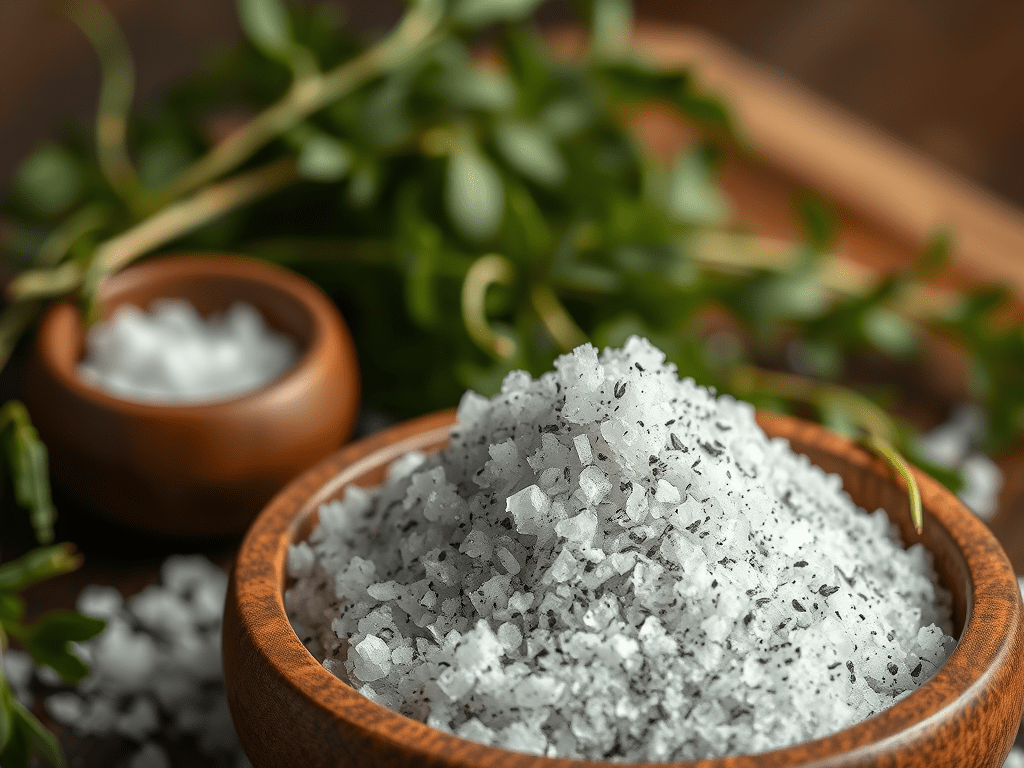
I discovered Celtic Sea Salt last year and enjoy it’s large crunchy grains every day.
The producers say it helps to replenish the body’s electrolytes, provides renewed energy, provides resistance to infections, and supplies all 82 vital trace minerals.
I just love the taste, crunch and gourmet look of this natural grey salt.
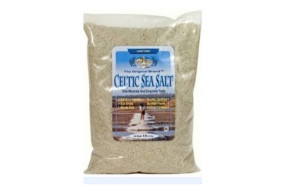
Selina Naturally – Celtic Sea Salt Bag Light Grey Course – 5 lb.

New Study Questions Low-Salt Diet Advice
A large European study challenges conventional wisdom on sodium restriction, finding that people who ate the least salt were the most likely to die from heart disease — and that low-sodium diets did not prevent high blood pressure.
The study tracked 3,681 middle-aged Europeans without hypertension or cardiovascular disease for nearly eight years. Researchers measured sodium intake by analyzing 24-hour urine samples — the most precise method available, since the body excretes essentially all consumed sodium within a day.
The mortality gap was striking: 50 deaths occurred among those consuming the least sodium (2.5 grams daily), compared to 24 in the middle group (3.9 grams) and just 10 among the highest consumers (6.0 grams). Heavier salt eaters did show a marginal rise in systolic blood pressure, but were no more likely to develop hypertension.
“If the goal is to prevent hypertension with lower sodium consumption, this study shows it does not work,” said lead author Dr. Jan A. Staessen of the University of Leuven, Belgium.
Dr. Michael Alderman of Albert Einstein College of Medicine, editor of the American Journal of Hypertension, noted that the medical literature on salt has long been inconsistent — and that his own research on hypertensive patients reached a similar conclusion. He also cautioned that sodium reduction has broader effects beyond blood pressure, including increased insulin resistance, which itself raises cardiovascular risk.
– New York Times


Leave a comment